
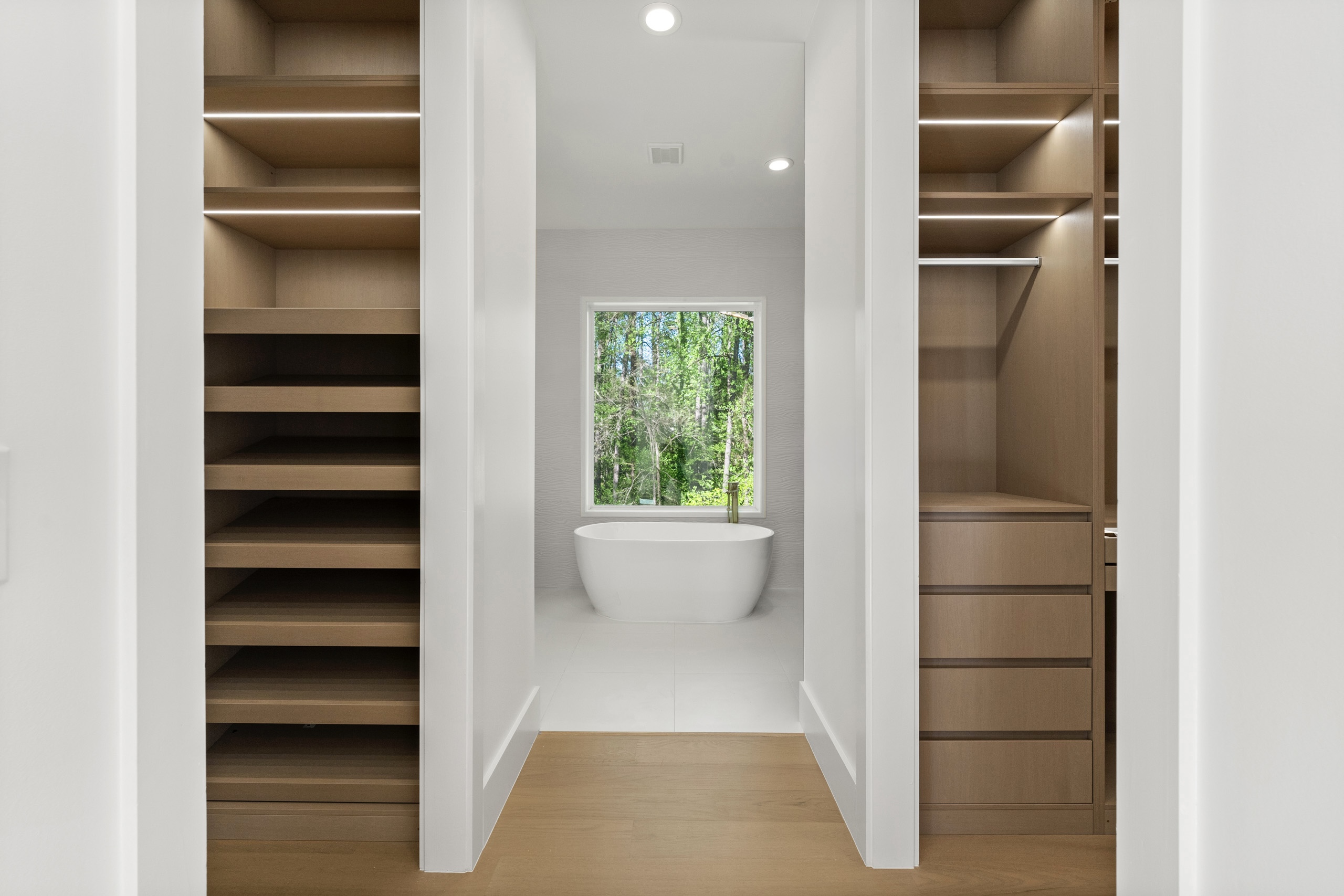
Building a custom home is a dream for many, yet the financial intricacies behind high-end construction are often overlooked. Allow us to take you behind the scenes of constructing custom luxury homes, revealing commonly unexpected costs and surprising tips.
Understanding the key cost drivers is essential for budgeting effectively and ensuring a seamless building process. At Bamkoles, we specialize in designing and constructing luxury residences that seamlessly blend architectural ingenuity with functional living. This guide unveils the hidden costs and critical aspects of building high-performance homes, providing clarity for those embarking on this exciting journey.
Why Does Luxury Custom Home Building Cost More?
Unlike mass-produced homes that rely on pre-designed plans and bulk-ordered materials, Lux custom
homes are fully customized. Every design decision is influenced by the site’s unique characteristics, natural
orientation, and the client’s aesthetic and functional preferences. This level of personalization demands
experienced architectural expertise, meticulous project management, and a thorough understanding of
local regulations—all of which drive costs.
Luxury home construction extends beyond materials; it requires precision craftsmanship, strategic planning,
and an unwavering commitment to excellence.
The Details That Define Cost
Architectural Complexity
• Bespoke Room Layouts: Custom-shaped rooms, vaulted ceilings, and expansive, multi-level spaces
require intricate architectural planning and precise execution.
• Custom Rooflines & Ceilings: Multi-pitched roofs, domes, asymmetrical structures, and detailed
coffered ceilings demand expert engineering and high-level craftsmanship.
• Fluid Open-Concept Plans: Seamless transitions between spaces must be designed for both
aesthetic flow and structural integrity, increasing design complexity.
• Signature Spaces: Each room in an architecturally designed home, whether a wine cellar, butler’s
pantry, or spa, is designed to exact specifications with unique materials, layouts, and lighting
plans. This high level of customization increases the complexity of the design and, therefore, the
Architect’s involvement and need for problem-solving. Architectural plans are rarely – if ever –
reused.
High-End Materials & Precision in Joinery
• Bespoke Cabinetry & Millwork: Handcrafted joinery, custom trims, and fitted millwork enhance
the home’s character but require specialized artisans.
• Luxury Stones & Finishes: Premium materials like imported marble, onyx, and quartz for
benchtops, flooring, and walls come with varying costs, availability, and installation complexities. A
custom architectural design can incorporate your dream materials, but sourcing, cutting, and
installing them with precision—without risk of damage—will increase both material and skilled
labor expenses. Achieving your desired result may also require custom fabrication, adding to the
overall investment.
Integration of Complex Architectural Elements
• Expansive Glass Features: Floor-to-ceiling windows maximize natural light and views but require
reinforced framing and custom engineering for energy efficiency.
• Statement Staircases: Architectural staircases become focal points, requiring precision engineering
and premium materials such as glass, stone, or wrought iron.
• Seamless Indoor-Outdoor Living: Retractable walls, custom-built pergolas, and climate-conscious
materials create fluid indoor-outdoor transitions but involve specialized design and installation.
Advanced Structural & Mechanical Systems
• Concealed Engineering: Hidden load-bearing supports, reinforced steel framing, and
cantilevered structures ensure design integrity while maintaining aesthetic appeal.
• Smart Home Technology: Integrated automation systems, custom climate control, and advanced
security solutions require extensive wiring and professional installation.
• Unique Custom Features: Grand entranceways, sculptural fireplaces, skylights, and water
features add luxury while increasing architectural and construction complexity.
The Hidden Costs in Luxury Home Construction
When planning a high-end build, many costs go beyond materials and labor. Here are some commonly
overlooked expenses:
Detailed Design & Planning Phase
• Comprehensive Architectural & Engineering Plans: Custom homes require highly detailed
technical drawings and structural analysis.
• Specialized Interior Design Consultation: Luxury homes demand expert coordination of materials,
color palettes, and spatial design.
• Advanced 3D Renderings & Virtual Walkthroughs: Ensuring clarity on design elements before
construction reduces costly mid-project changes.
Site-Specific & Structural Considerations
• Complex Excavation & Grading: Hillside properties or sloped lots require extensive groundwork
and reinforced foundations.
• Premium Structural Materials: Heavy timber beams, steel framing, and specialized roofing
materials (e.g., slate, copper, or clay tiles) significantly add to costs.
• Custom Masonry & Stonework: Hand-laid stone, brick exteriors, and intricate tiling require
expert artisans and add both material and labor costs.
Luxury Interior Finishes & Furnishings
• Exotic Flooring & Rare Stone Surfaces: Specialty hardwoods and natural stones like quartzite
require expert fabrication and handling.
• Premium Paint & Wall Finishes: Venetian plaster, custom murals, and high-end wallpapers require
experienced application and delicate craftsmanship.
• Custom Ceiling Designs: Soundproofing, timber accents, recessed lighting, and decorative molding
require specialized labor.
• Bespoke Window Treatments: Automated blinds, high-end drapery, and integrated shading
solutions add cost.
• High-End Lighting & Fixtures: Statement pendant lights, designer sconces, and architectural lighting
require additional structural support.
Mechanical, Electrical & Plumbing Considerations
• Expanded MEP Systems: Larger homes require additional heating, cooling, and electrical capacity.
• Custom Plumbing Features: Advanced drainage systems for seamless indoor-outdoor flooring and
hidden piping add complexity.
• Integrated Audio & Visual Systems: In-wall and ceiling speakers, home theaters, and security
systems require professional installation and fine-tuning.
A good rule of thumb: Any stage of the planning or building process that requires precision and extensive labor will come at a premium. Awareness of these costs helps prevent unexpected surprises during the build process.
How to Manage Your Budget Effectively
Luxury home construction requires careful financial planning and proactive cost management. Here’s how
you can ensure a controlled and efficient build:
• Early Collaboration Between Architect & Builder: Streamlined communication reduces unexpected
design modifications and budget inflations.
• Prioritize Must-Have Features: Define essential elements versus optional upgrades to allocate
funds efficiently.
• Strategic Material Selection: Alternative materials can achieve a luxury aesthetic without excessive
costs.
• Build a Contingency Fund: A 5–10% contingency fund protects against unforeseen costs like
weather delays or supply shortages.
Why Bamkoles?
At Bamkoles, we offer an integrated approach to luxury home construction, combining exceptional design
with seamless execution. Our hands-on project management ensures transparency, efficiency, and a
commitment to delivering homes that reflect your vision and maintain financial integrity.
Whether you’re looking for a striking modern residence or a timeless architectural masterpiece, we bring expertise, experience, and precision to every project.
Let’s build something extraordinary. Contact us today to begin your journey.
+1 470 819 6002
info@bamkoles.com